


Understanding the Electrical System of a Car

The electrical system of a car is a complex network that powers various components, from the engine to the entertainment system. Understanding how this system works, its key components, and how to maintain it is crucial for any vehicle owner. A well-functioning electrical system ensures that your car operates smoothly and safely.
1. Overview of the Electrical System
The electrical system in a car is responsible for generating, storing, and distributing electrical energy to various components. It consists of several key elements that work together to ensure the vehicle runs efficiently and reliably.
2. Main Components of the Electrical System
The electrical system of a car includes the following primary components:
Battery: The battery stores electrical energy and provides power to start the engine and operate electrical systems when the engine is off. It is a critical component that must be in good condition to ensure reliable vehicle operation.
Alternator: The alternator generates electricity while the engine is running, recharging the battery and powering the vehicle’s electrical systems. It converts mechanical energy from the engine into electrical energy.
Starter Motor: The starter motor is responsible for turning the engine over when the ignition key is turned. It draws power from the battery to initiate the combustion process.
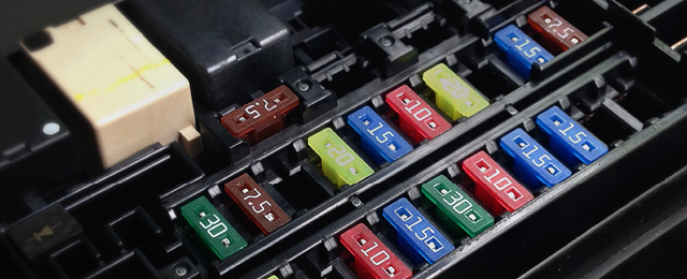
Fuses: Fuses protect the electrical system from overloads and short circuits. They are designed to blow when excessive current flows through them, preventing damage to electrical components.
Wiring Harness: The wiring harness is a collection of wires that connect various electrical components throughout the vehicle. It allows for the distribution of power and communication between different systems.
Electronic Control Units (ECUs): Modern vehicles have multiple ECUs that control various functions, including the engine, transmission, and entertainment systems. These units process information from sensors and make adjustments to optimize performance.

3. How the Electrical System Works
The electrical system begins with the battery, which provides power to the starter motor when the ignition key is turned. Once the engine starts, the alternator takes over, generating electricity to recharge the battery and power the vehicle's electrical systems.
As the alternator produces electricity, it supplies power to various components, including the headlights, dashboard lights, radio, and climate control system. The fuses protect these components from electrical surges, while the wiring harness ensures that power reaches the correct locations.
4. Importance of the Electrical System
The electrical system is essential for the overall functionality of the vehicle. Without it, the engine cannot start, and many of the conveniences and safety features we take for granted would not operate. Additionally, a well-maintained electrical system contributes to fuel efficiency and the longevity of the vehicle.
5. Signs of Electrical System Problems
Identifying issues within the electrical system early can prevent more significant problems down the road. Common signs of electrical system problems include:
Dimming Lights: If the headlights or interior lights appear dim, it may indicate a failing alternator or battery.
Difficulty Starting the Engine: A slow-cranking engine or a clicking sound when trying to start the vehicle may suggest battery issues.
Warning Lights: Dashboard warning lights, such as the battery or check engine light, can indicate electrical system malfunctions.
Electrical Accessories Malfunctioning: If components like the radio, windows, or dashboard lights stop working, it may point to a wiring issue or blown fuse.
6. Maintenance Tips for the Electrical System

Proper maintenance of the electrical system is crucial for ensuring reliable performance. Here are some essential tips:
6.1 Regular Battery Checks
Inspect the battery regularly for signs of corrosion, loose connections, and physical damage. Clean the battery terminals to ensure a good connection.
6.2 Test the Alternator
Have the alternator tested periodically to ensure it is charging the battery effectively. Many auto parts stores offer free testing services.
6.3 Inspect Fuses

Check fuses regularly to ensure they are intact. If a fuse is blown, replace it with one of the same amperage to avoid electrical issues.
6.4 Monitor Electrical Accessories
Pay attention to the performance of electrical accessories. If you notice any irregularities, have them checked by a professional.
6.5 Professional Inspections at Quality Auto & Body
For comprehensive inspections and expert care of your vehicle's electrical system, bring your car to Quality Auto & Body. Our experienced technicians will diagnose any issues and ensure that your electrical system is operating at its best, providing you with peace of mind and reliable performance.
7. Conclusion
The electrical system is a vital part of any vehicle, enabling essential functions and enhancing the driving experience. Understanding its components, how they work together, and how to maintain them can prevent problems and ensure the longevity of your car. By following proper maintenance practices and scheduling regular inspections at Quality Auto & Body, you can enjoy a reliable and efficient vehicle for years to come


Comentarios